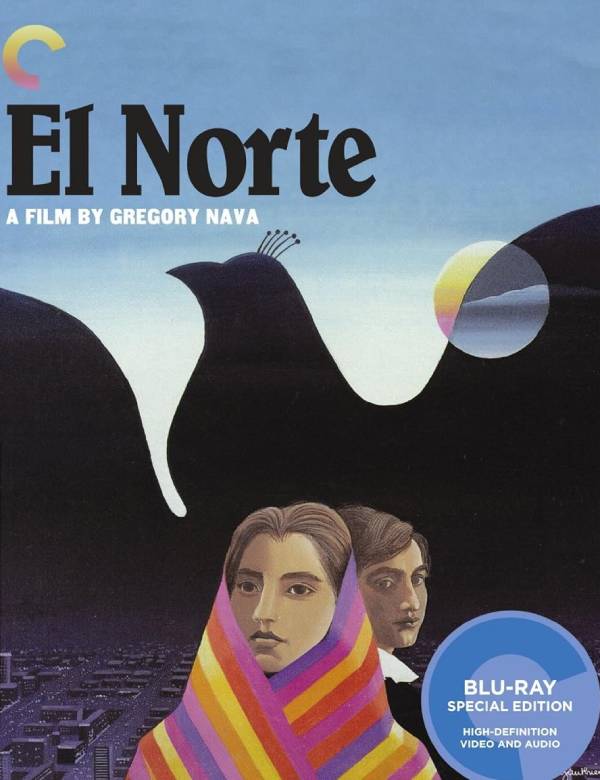
El Norte (1983)
El Norte (1983): “El Norte” (1983) is a powerful drama directed by Gregory Nava, which tells the story of two indigenous siblings, Rosa and Enrique, who flee civil war and persecution in Guatemala to seek a better life in the United States. The film follows their perilous journey and the challenges they face as undocumented immigrants in California. Watching “El Norte” before visiting Central America can offer valuable insights into the factors driving migration from the region, the struggles faced by migrants, and the complexity of their journeys. It humanizes the experiences of many Central American migrants and provides a deeper understanding of the social and political issues that drive people to leave their homelands in search of a safer and more promising future.
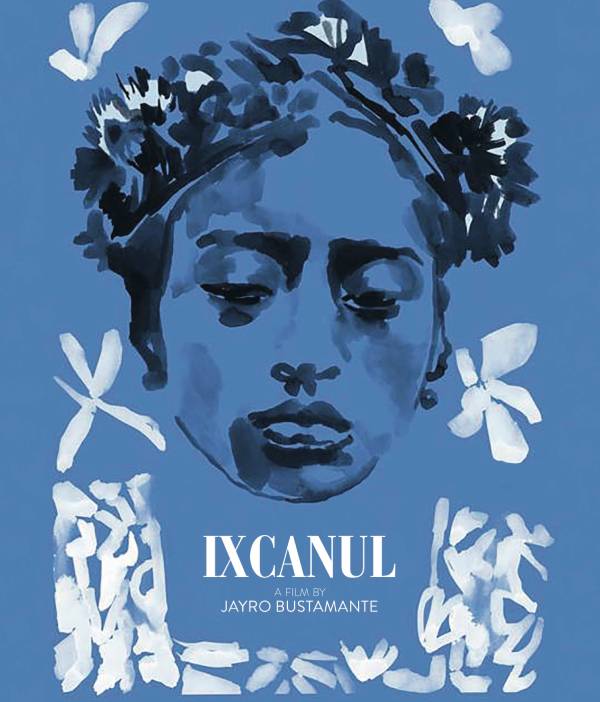
Ixcanul (2015)
“Ixcanul” (2015) is a Guatemalan-French drama directed by Jayro Bustamante that portrays the life of a young Mayan woman living on the slopes of an active volcano in rural Guatemala. The film explores her dreams, traditions, and the challenges she faces as she becomes entangled in a world beyond her village. Watching “Ixcanul” before visiting Central America provides a unique glimpse into the culture and daily life of indigenous Mayan communities in Guatemala. The film offers a sensitive and authentic portrayal of the region’s traditions, struggles, and the complexities of modernization, making it a valuable pre-trip viewing choice for those looking to connect with the local culture and experiences in the area.
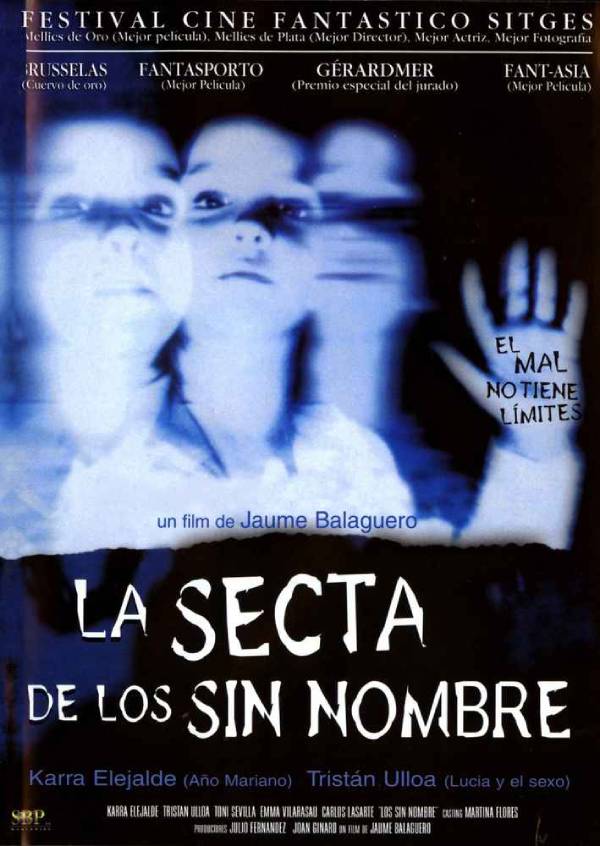
Sin Nombre (2009)
“Sin Nombre” (2009) is a gripping drama directed by Cary Fukunaga that intertwines the stories of a Honduran girl and a young Mexican gang member as they embark on a dangerous journey on a freight train through Mexico in pursuit of a better life in the United States. The film highlights the perils and challenges faced by Central American migrants during their perilous journey. Watching “Sin Nombre” before visiting Central America provides a sobering and humanizing perspective on the struggles and risks that many migrants from the region undertake in their quest for a better future. It sheds light on the harsh realities of migration and the obstacles faced by those seeking opportunities beyond their home countries, offering a deeper understanding of the migration issues prevalent in the region.
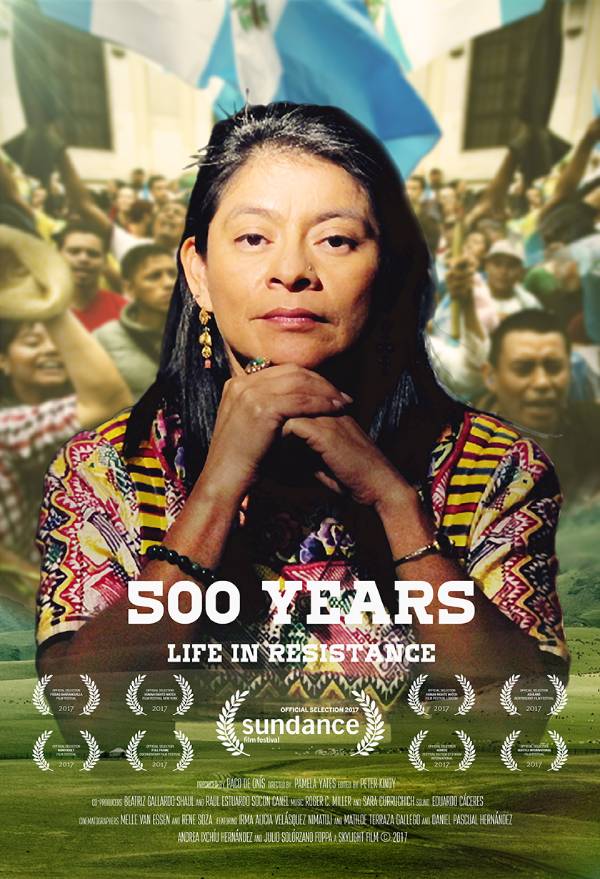
500 years (2017)
“500 Years” (2017) is a documentary by Pamela Yates that explores the political and social struggles in Guatemala, tracing the history of indigenous resistance and the fight for justice and human rights. The film highlights the country’s turbulent past and its ongoing journey towards accountability and change. Watching “500 Years” before visiting Central America can provide essential context for understanding the region’s complex history and the challenges faced by indigenous communities. It emphasizes the significance of human rights activism, the legacy of colonialism, and the ongoing struggle for social justice, making it a relevant and informative choice for those looking to gain a deeper appreciation of Guatemala and the broader Central American context.
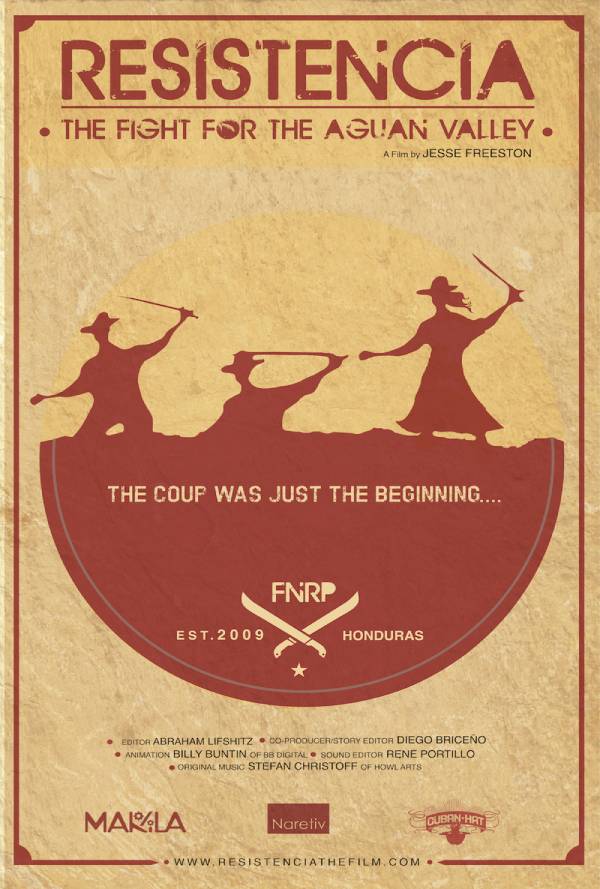
Resistencia: The Fight for the Aguan Valley (2014)
“Resistencia: The Fight for the Aguan Valley” (2014) is a documentary that explores the struggle of Honduran farmers in the Aguan Valley as they fight for land rights in the face of powerful landowners and political turmoil. The film delves into the complexities of land disputes, social justice, and the impact of agribusiness in Central America. Watching “Resistencia” before visiting Central America can offer insight into the challenges faced by rural communities in the region, particularly in Honduras. It sheds light on land conflicts, the dynamics between agribusiness and local populations, and the resilience of those who advocate for their rights. This documentary provides valuable context for understanding the socio-economic issues and activism prevalent in Central America.
Books
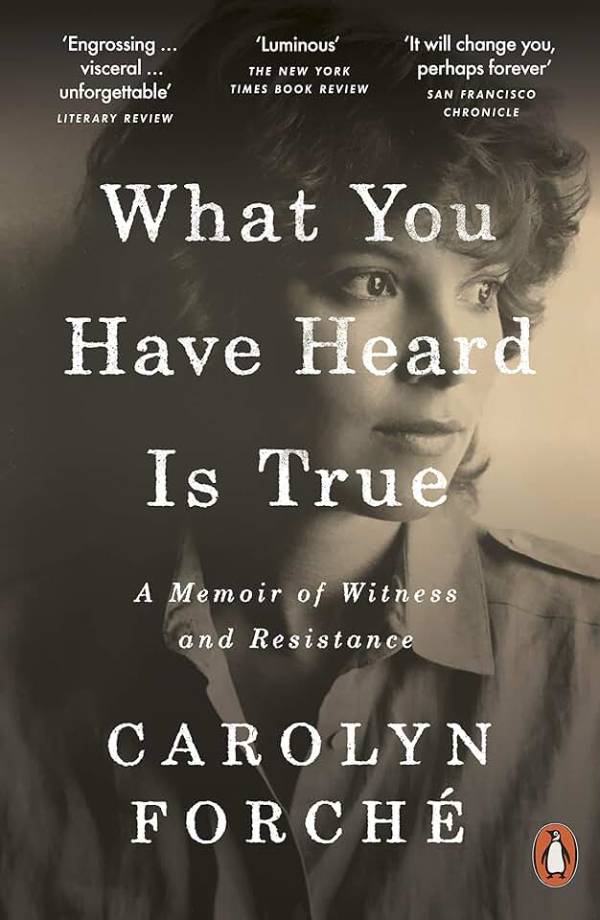
What You Have Heard Is True by Carolyn Forché
A Memoir of Witness and Resistance by Carolyn Forché: “What You Have Heard Is True: A Memoir of Witness and Resistance” is Carolyn Forché’s personal account of her experiences in war-torn El Salvador during the late 1970s and early 1980s. The book chronicles her journey from a young poet to an activist, guided by her interactions with a mysterious and enigmatic stranger who introduces her to the harsh realities of the Salvadoran civil war. Reading this memoir before visiting Central America can provide valuable historical and personal context for understanding the region’s tumultuous past, the consequences of political conflicts, and the resilience of its people. It offers a deep insight into the complexities of Central American history and the impact of political turmoil on individuals and communities, making it a compelling read for anyone interested in gaining a deeper understanding of the region.
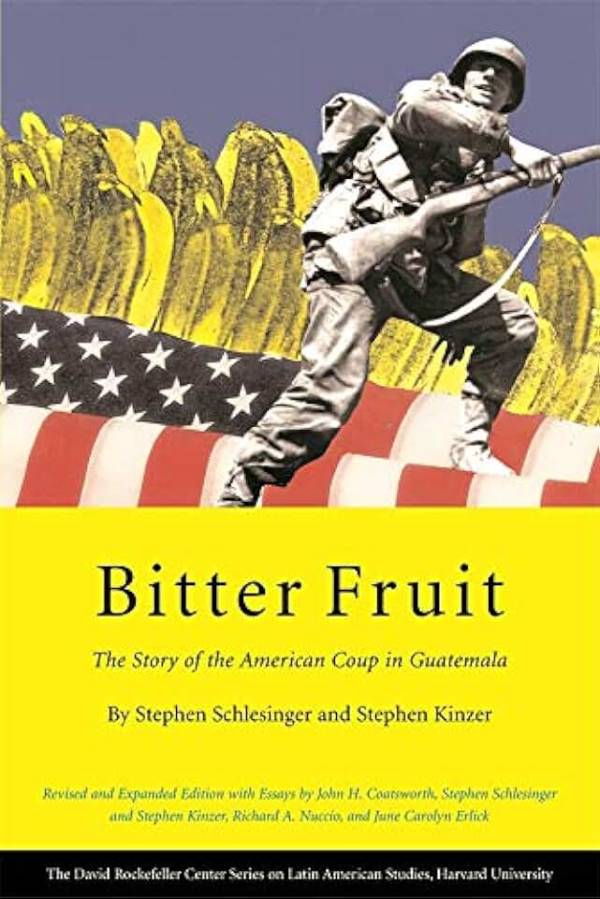
Bitter Fruit: The Story of the American Coup in Guatemala by Stephen Schlesinger and Stephen Kinzer
“Bitter Fruit: The Story of the American Coup in Guatemala” by Stephen Schlesinger and Stephen Kinzer explores the 1954 coup in Guatemala, shedding light on the U.S. government’s role in toppling the democratically elected government of President Jacobo Árbenz. The book uncovers the complex history of U.S. intervention in Central America and the lasting impact it had on the region. Reading this book before visiting Central America is beneficial for understanding the historical context of U.S. involvement in the region, particularly in Guatemala. It provides valuable insights into the consequences of foreign intervention, political upheaval, and the socio-economic dynamics that continue to shape Central American nations, making it a recommended read for those seeking a deeper appreciation of the region’s history and current challenges.
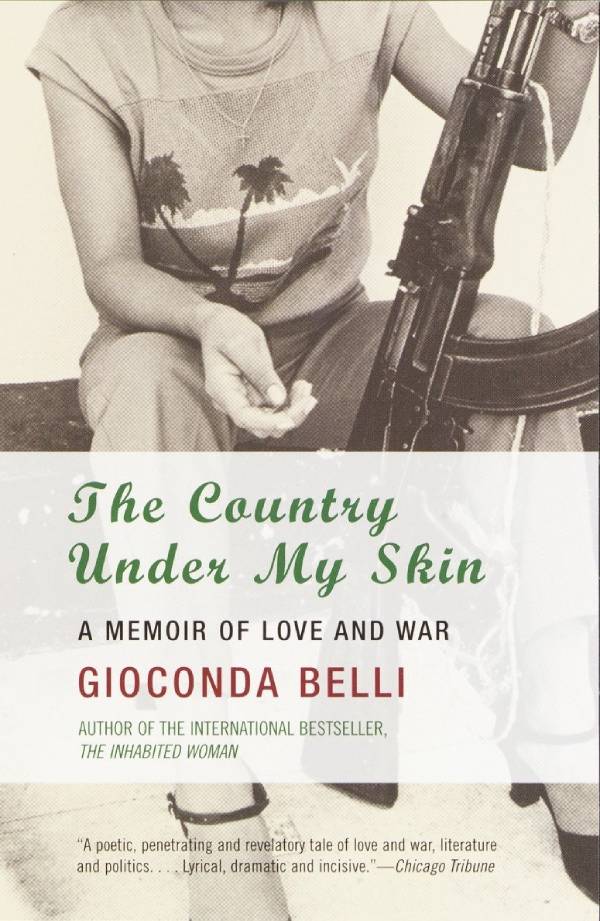
The Country Under My Skin: A Memoir of Love and War by Gioconda Belli
“The Country Under My Skin: A Memoir of Love and War” by Gioconda Belli is a memoir that chronicles the author’s life as a prominent Sandinista revolutionary in Nicaragua, offering a firsthand account of the country’s political struggles, her personal experiences, and her passionate love affair with fellow revolutionary Ernesto Cardenal. Reading this memoir before visiting Central America provides a deep understanding of the region’s tumultuous history, political upheaval, and the profound influence of revolutionary movements. It offers valuable insights into the complexities of Central American societies and the enduring impact of political activism, making it a compelling choice for those seeking a nuanced perspective on the region.
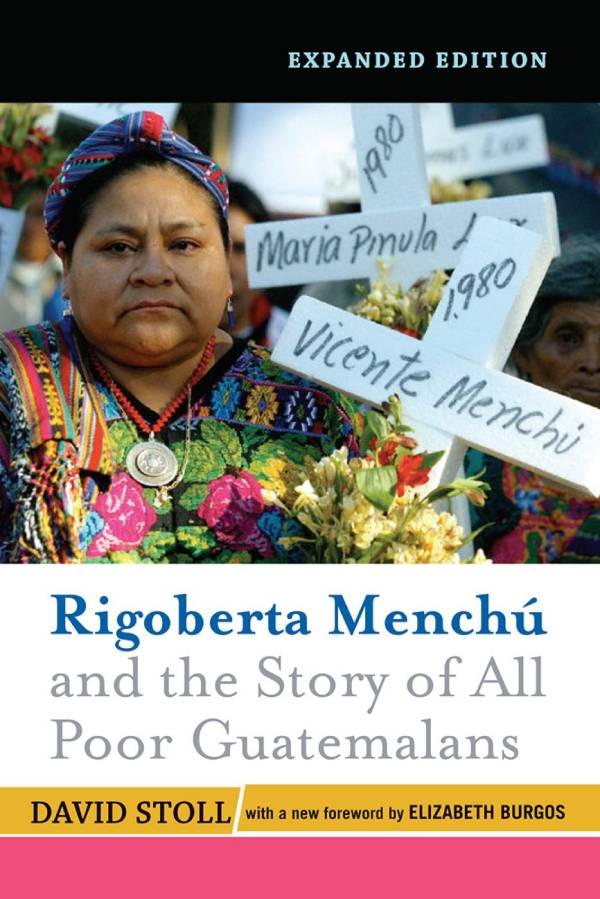
Rigoberta Menchú and the Story of All Poor Guatemalans by David Stoll
“Rigoberta Menchú and the Story of All Poor Guatemalans” by David Stoll is a critical examination of Rigoberta Menchú’s famous autobiography, “I, Rigoberta Menchú,” which was a significant work in the field of testimonial literature. Stoll questions the accuracy and authenticity of Menchú’s account of her experiences as a Guatemalan indigenous activist. Reading this book before visiting Central America can be useful for individuals seeking a well-rounded understanding of the region’s complex history and the controversies surrounding influential narratives. It encourages critical thinking about testimonial literature and its role in shaping perceptions of Central American socio-political issues, making it a valuable addition to one’s pre-trip reading list.
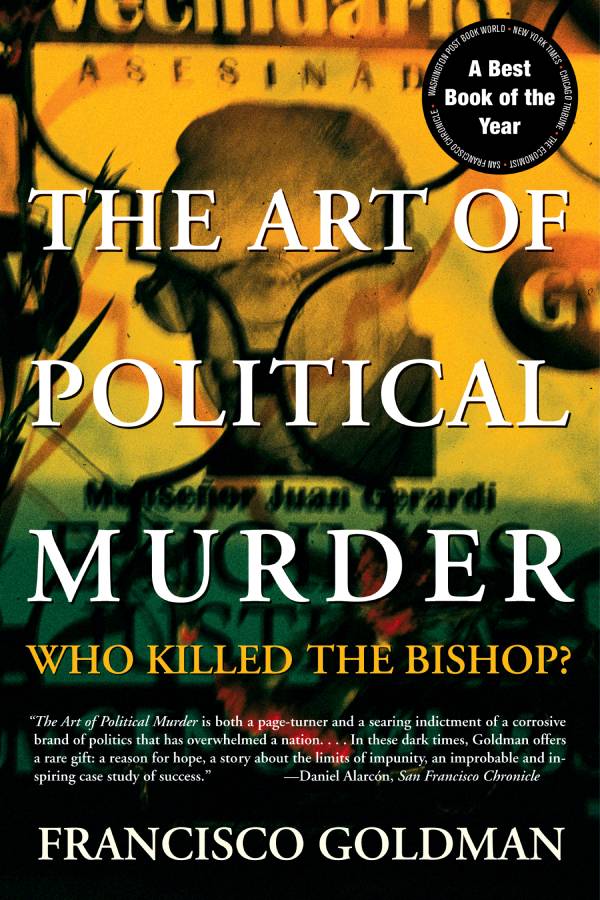
The Art of Political Murder: Who Killed the Bishop? by Francisco Goldman
“The Art of Political Murder: Who Killed the Bishop?” by Francisco Goldman investigates the assassination of Bishop Juan Gerardi in Guatemala in 1998, an event that occurred just after the end of the Guatemalan civil war. The book meticulously examines the murder and its aftermath, shedding light on the country’s history of conflict, human rights abuses, and the struggle for justice. Reading this book before visiting Central America can provide crucial insights into the legacy of civil war and the pursuit of accountability for past atrocities in the region. It offers a compelling narrative that helps visitors understand the historical and social complexities of Guatemala and Central America, emphasizing the importance of reckoning with a troubled past.